
Transport Managers Now Face Disqualification As Legal Pressure Increases
The roles of transport managers are integral to the operation of company vehicles and public transport alike. Yes, without transport managers in

 Here at Hope Technical Developments, safety is of course of the utmost importance, and we have made it our business to address associated problems with our products since we started out in 1962. As a result we understand the van and commercial vehicle sector implicitly, our founder Fred Hope even had his very own fleet of AEC trucks! Whilst haulage businesses everywhere are passionate about putting safety first, keeping track of and reducing driver spend is also a constant concern for fleet operators.
There are many ways that fleet operators can manage the provision of fuel, and driver fuel cards have proved to be particularly effective for haulage businesses big and small, but what do you need to know about fuel cards and how exactly do they cut fleet costs?
An introduction to driver fuel cards
There are many fleet fuel services that claim to be the very best provider of fuel cards, and whilst sorting the wheat from the chaff to find the solution that works for you and your fleet is important, understanding exactly how fuel cards will help you get the most out of driving is important. Businesses all over the UK already utilise fuel cards, and to this day, these cards are a popular and effective way of managing fuel purchases.
Fuel cards are given to drivers to make all their fuel purchases, whether they intend to make a large deposit or a series of smaller transactions throughout the month. By using fuel cards, the fleet operator can successfully control spending and manage this inevitable expense regardless of how much pump prices increase or company fuel budgets grow.
What are the benefits of fuel card use?
As we’ve mentioned briefly the use of driver fuel cards is beneficial whether your drivers make small or large purchases. In addition to ensuring central or cost centre level billing and providing a robust way of managing these frequently made transactions, fuel cards can lower the risk of abuse, limiting purchases of non-fuel or retail products. Reports can be easily generated to chart overall fleet fuel consumption as well as individual purchases, giving fleet operators the means to identify trends and make accurate forecasts for the months or years ahead.
For particularly large fleets, volume discounts or fixed fuel prices may also be made available across the country, small discounts that can make for huge savings for your fleet.
The roles of transport managers are integral to the operation of company vehicles and public transport alike. Yes, without transport managers in

The mass production of commercial vehicles has evolved significantly over the years, with van manufacturers like Henry Ford paving the way with
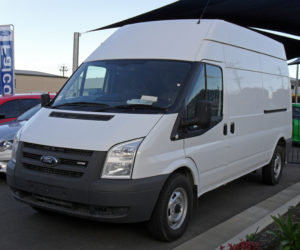
When it comes to our vans, we’ve always been of the mind-set that the newer a van is, the better things will

